
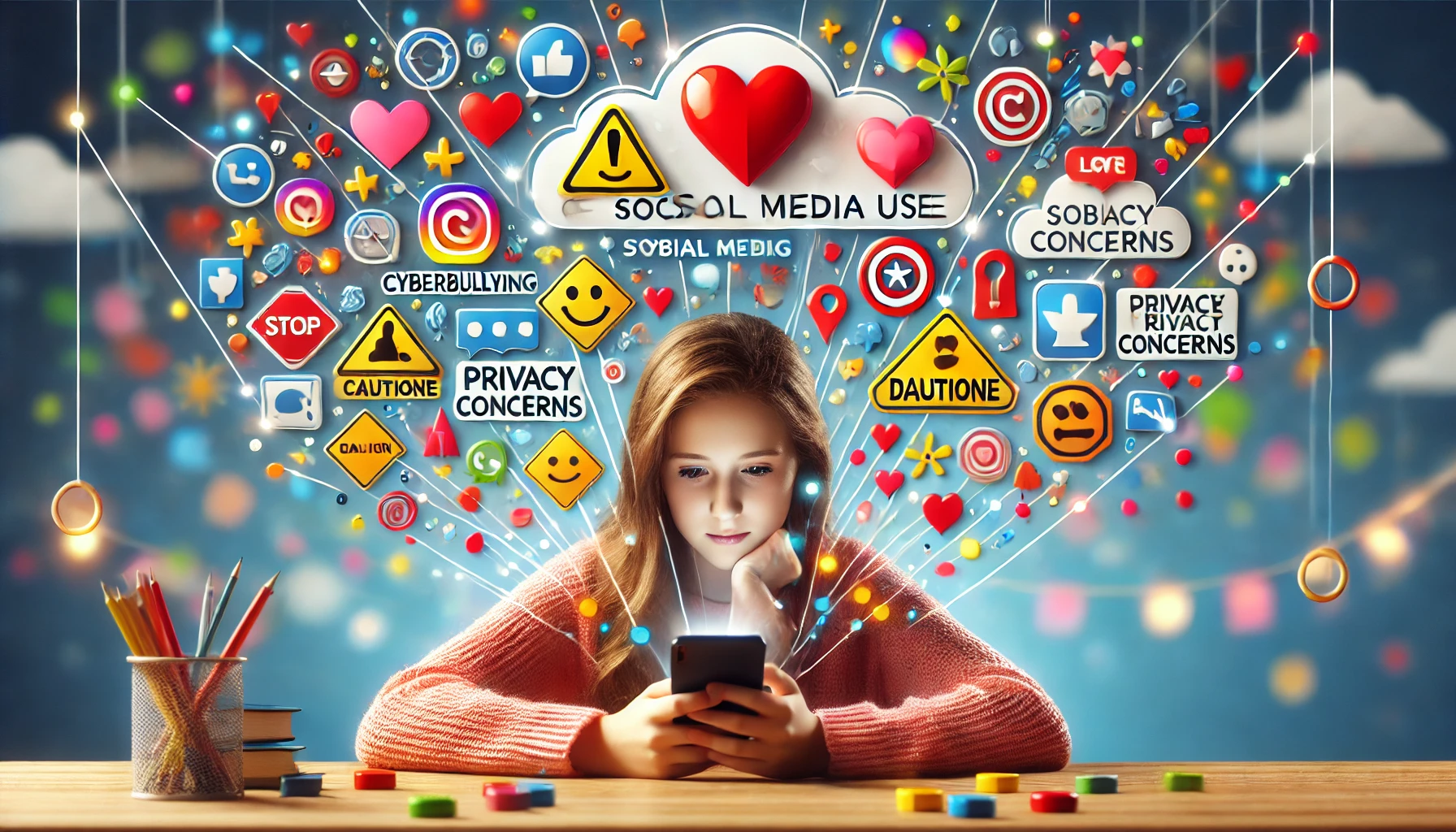
In the dynamic landscape of social media, which encompasses a diverse array of platforms such as Facebook, Twitter, Instagram, YouTube, and LinkedIn, the importance of safety and awareness cannot be overstated. These platforms provide invaluable opportunities for users to share, view, and create multimedia content, fostering connection and community engagement. However, the digital landscape is not without its hazards, particularly for vulnerable populations, such as seniors, who may be less familiar with the nuances of online interactions. Cybercriminals are increasingly exploiting social media as a breeding ground for a myriad of scams, identity theft schemes, and various forms of manipulation aimed at unsuspecting users.

To protect personal information in this environment, it is imperative for users to regularly review and adjust their privacy settings. By customizing these settings, individuals can limit who has access to their personal data and enhance their online security. Additionally, creating unique and complex passwords is essential in fortifying accounts against unauthorized access. For enhanced anonymity, users may consider establishing separate email accounts exclusively for their social media activities, which can further shield their identity from potential threats.
Being discerning about friend requests is another critical safety measure; users should always verify the legitimacy of any incoming requests, particularly if they are from individuals they do not recognize. Suspicious communications, whether they come in the form of unsolicited messages or unusual requests for personal information, should be approached with caution and skepticism. By fostering a healthy level of wariness, users can better safeguard their online presence.
Moreover, while online dating sites present opportunities for companionship and social interaction, they can also expose users to risks, such as catfishing. This deceptive practice involves imposters creating fake profiles to lure individuals into emotional or financial traps, often leading to significant financial losses and emotional distress. Users must remain vigilant and conduct thorough research on potential matches, ensuring they engage with authentic individuals rather than facades created by scammers.
Awareness of prevalent social media scams is essential for navigating these platforms safely. Common tactics include dummy profiles, which are fake accounts designed to impersonate real users, and click-bait—enticing headlines or images meant to lure users into clicking on harmful links. Additionally, charity scams, which exploit users’ goodwill by posing as legitimate fundraising efforts, further highlight the necessity for critical thinking and verification when engaging with content online.

Practicing good social media etiquette not only contributes to one’s personal reputation but also fosters a healthier online environment for all users. This includes refraining from oversharing sensitive personal information, being respectful and considerate in interactions, and seeking permission before sharing photos or content involving others. By adhering to these guidelines, individuals can help cultivate a more positive and secure digital community.
Ultimately, by staying informed about potential risks and remaining vigilant in their online interactions, individuals can reap the numerous benefits that social media has to offer while effectively minimizing risks. Awareness, caution, and proactive engagement are key components in navigating the complex realm of social media, allowing users to connect and share meaningfully while safeguarding their personal information and well-being.