
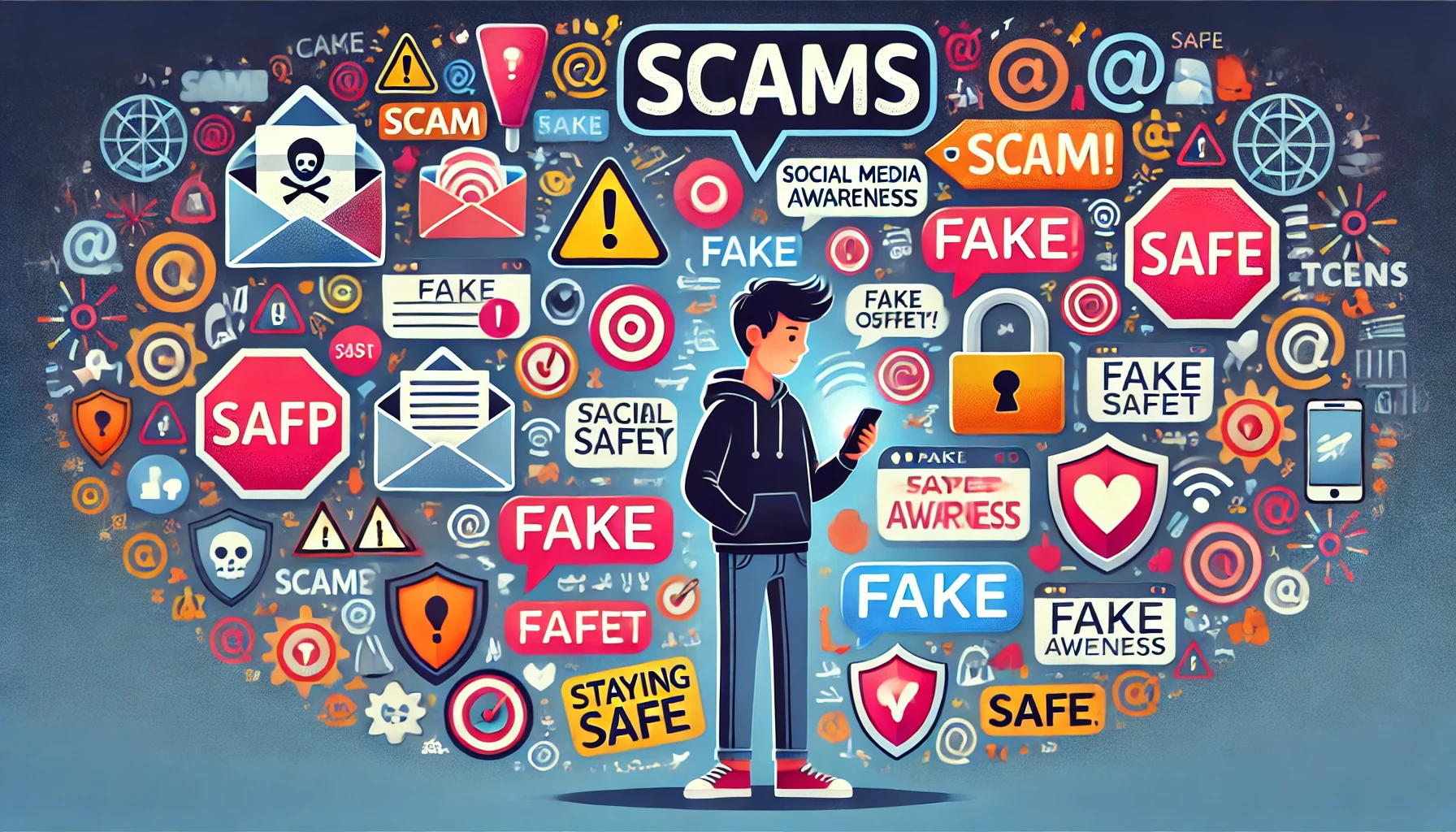
Scams have always been a part of human society, and with the rise of the internet, cyber scams have become increasingly prevalent. With access to the internet, smartphones, and other mobile devices, we are more vulnerable to cybercrimes than ever before, even within the safety of our own homes. Cybercriminals can now steal from us without ever meeting us in person. This makes it critical to understand how scams work, especially for elderly individuals who are often targeted. A scam is any fraudulent activity or scheme designed to cheat people out of money or goods. With the onset of the internet and the growing interconnectedness of our lives, the sophistication and number of scams have risen. We must be vigilant and educate others on how to avoid becoming victims of these malicious schemes. Recognizing a scam is not always easy, but there are some common warning signs to watch out for. For instance, if something sounds too good to be true, it probably is. This includes offers of free gift cards, unusually low prices, or winning a prize from a sweepstakes you never entered. Scammers also tend to contact individuals out of the blue, often pretending to be someone familiar, such as a family member or friend, and they may ask for personal information. Another tactic involves creating a sense of urgency, such as demanding immediate payment for an unknown debt or asking you to transfer money. Requests for payment through unconventional methods, like iTunes vouchers or Western Union, should also raise red flags. Scammers may ask for your passwords or PINs, and their communication often comes from unusual sources or contains numerous grammatical errors. Being aware of these signs can help protect you from falling victim to scams.
Recognizing scams can be tricky, as many of them are designed to look legitimate. Scammers often use tactics that create a sense of urgency, confusion, or excitement, which causes people to act quickly without thinking things through. One of the most common warning signs is when something seems too good to be true. For instance, you might receive an email or message claiming you’ve won a sweepstakes, but you never entered one. Offers of free gift cards, overly discounted prices, or “one-time only” deals are common hooks used to lure victims.
Another red flag is being contacted out of the blue by someone you don’t know. Scammers may pose as legitimate companies, government agencies, or even people you know. They may ask for personal information, such as your Social Security number, banking details, or passwords, under the guise of solving a problem. Some scammers will even go as far as pretending to be a friend or family member, claiming they are in urgent need of help

A particularly deceptive tactic used by scammers is to pressure you into making an immediate payment for an unknown debt or bill. This is often done by threatening legal action or financial penalties if you don’t comply. They may ask for payment through unusual methods, such as gift cards, wire transfers, or cryptocurrency, which are harder to trace. Scammers may also try to trick you into giving them your passwords or PINs, often by pretending to be from a trusted organization.
Another way to identify a scam is by paying attention to the source of communication. Emails or phone calls from unknown or strange addresses, or those that contain multiple spelling and grammar mistakes, are often signs of fraudulent activity. Scammers often use poor-quality communication because they may not speak the language fluently or are mass-producing these messages to target large numbers of people. Keeping these warning signs in mind can help you avoid falling into a scammer’s trap
The elderly population is disproportionately targeted by cybercriminals due to their often-limited familiarity with the latest technological advancements. Many seniors were not raised in a digital environment, making it difficult for them to keep pace with the rapid changes in internet security and digital communication. This leaves them vulnerable to complex online schemes that younger, more tech-savvy individuals might recognize and avoid. Cybercriminals exploit this knowledge gap, knowing that seniors may not be as adept at distinguishing between legitimate and fraudulent communications. Another contributing factor is that older adults are often more trusting and socially isolated, making them prime targets for scams that involve emotional manipulation. Scammers frequently pose as government officials, utility companies, or even long-lost relatives in order to elicit personal information or money from the victim. Additionally, because many seniors are nearing or in retirement, they often have access to financial assets like savings, pensions, and home equity. Criminals exploit these financial vulnerabilities through schemes such as investment fraud, fake insurance policies, and mortgage reassessments, which aim to siphon off these hard-earned resources.
Moreover, seniors may be targeted through schemes like the Medicare scam, where fraudsters pose as government healthcare officials, offering fake services or requesting sensitive information under the guise of updating medical records. These scams are particularly effective because they exploit the reliance many seniors have on Medicare, making it easier for scammers to build credibility. Other scams, like the grandparent scam, manipulate emotions, convincing elderly victims that their grandchildren are in urgent need of money. These emotional manipulations are paired with a sense of urgency, causing victims to act quickly before they can fully process the situation.
One of the most widespread scams targeting the elderly is the Medicare scam, wherein fraudsters disguise themselves as representatives from Medicare or other healthcare providers, requesting personal information or offering fake medical services. These scammers often approach seniors with promises of free medical devices or better insurance coverage in exchange for personal data, which is then used for identity theft or sold on the black market.
Another common scheme is the grandparent scam, where scammers impersonate a grandchild in trouble, asking for immediate financial help, often in the form of a wire transfer or gift card. By asking the grandparent to “guess” who is calling, the scammer gets the victim to provide a name, which is then used to build credibility in the conversation. These scams are highly effective because they play on the natural protective instincts of grandparents, making it difficult for them to say no.
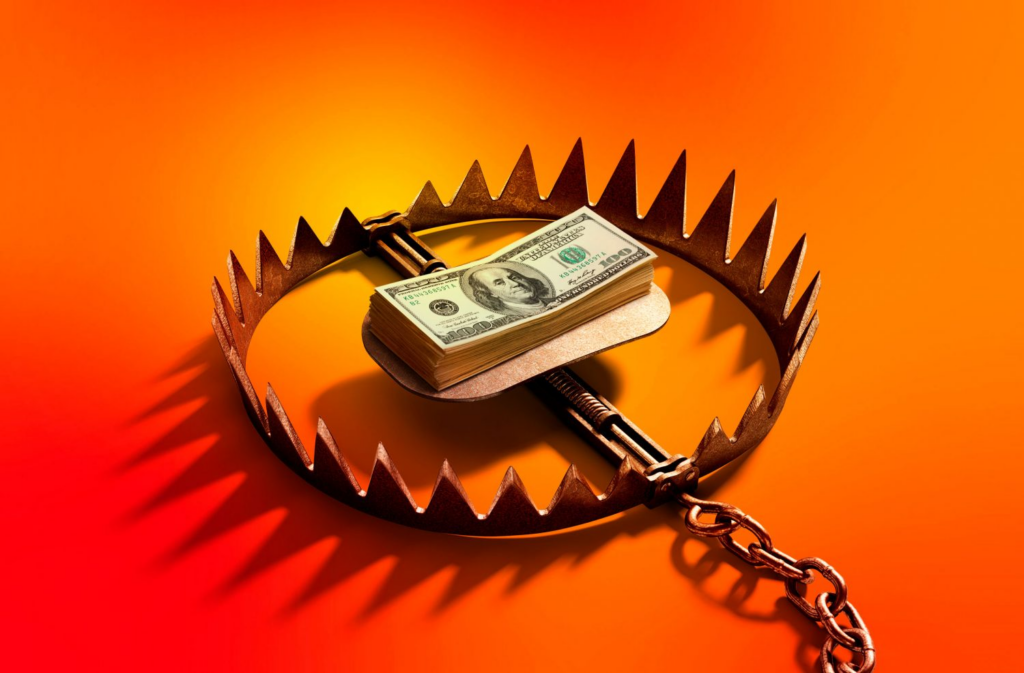
Funeral scams target grieving families by claiming that the deceased had outstanding debts that must be settled immediately, while prescription drug scams prey on seniors looking for more affordable medications online. Fraudsters create fake websites selling counterfeit or even harmful drugs at prices far below market value, luring seniors into providing their credit card details or sending money to untraceable accounts. Investment scams are also rampant, with criminals posing as financial advisors offering too-good-to-be-true investment opportunities aimed at retirees or those nearing retirement. These fraudulent schemes often promise high returns with little risk, but once the victim’s money is transferred, it disappears.
The tech support scam is another deceptive tactic where cybercriminals pose as tech experts, often claiming that the senior’s computer has been compromised. The scammer might offer to “fix” the problem for a fee, install malware, or steal sensitive information while pretending to repair the system. Other scams, like the IRS or government scam, involve fraudsters impersonating government officials and demanding immediate payment for back taxes or fines, threatening arrest or legal consequences if the victim does not comply.